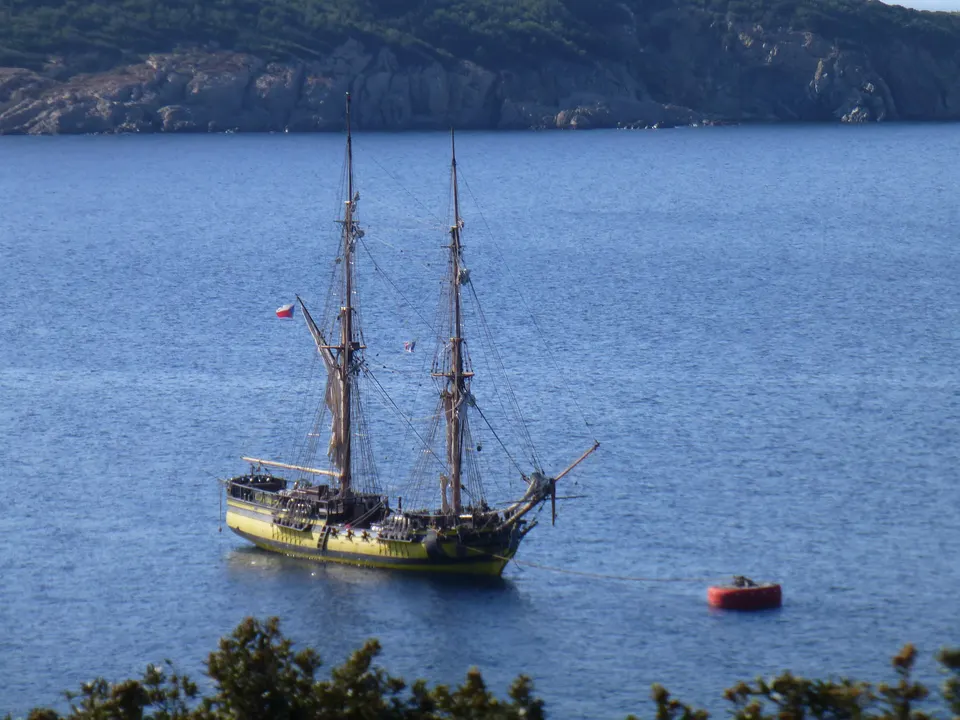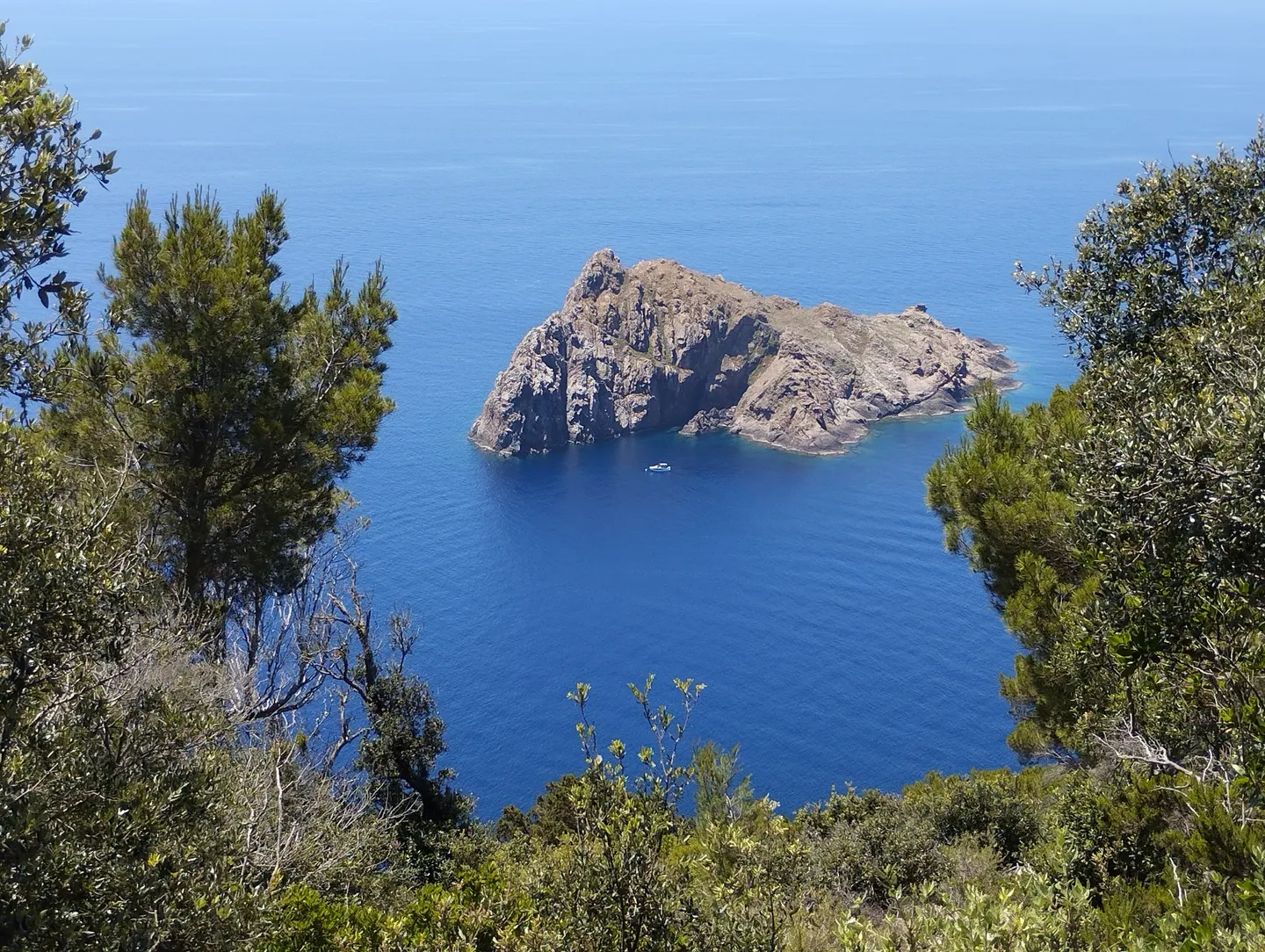
Port-Cros is one of the most protected dive areas in France. La Gabinière islet, south of the island, is known to divers for its many dusky groupers, whose population has been growing and getting younger since the 1980s thanks to the park's protection, according to Wikipedia. Divers also see barracudas and, further out, bottlenose dolphins, mobula rays and loggerhead turtles. In the marine cores of Port-Cros and Porquerolles, scuba diving requires a personal park permit, obtained online on CaPeL, and a sticker collected at a park visitor centre.
Key facts
- La Gabinière: islet south of Port-Cros, famous for its dusky groupers.
- Groupers increasing since the 1980s thanks to the park's protection (Wikipedia).
- Scuba: personal annual permit via the CaPeL platform, for individual divers and clubs.
- Sticker to collect before your first dive: park visitor centres on Port-Cros, Porquerolles or Fort du Pradeau.
Steps before you dive
| Step | How |
|---|---|
| 1. Permit | online on the park’s CaPeL platform (mobile version available) |
| 2. Regulations | sign the annual diving regulations for the marine cores |
| 3. Sticker | collect before your first dive at a park visitor centre: Port-Cros, Porquerolles or Fort du Pradeau |
| 4. Checks | permit to be shown, on paper or digitally |
Source: Port-Cros National Park, checked on 9 November 2026. The permit also applies to dive centres.
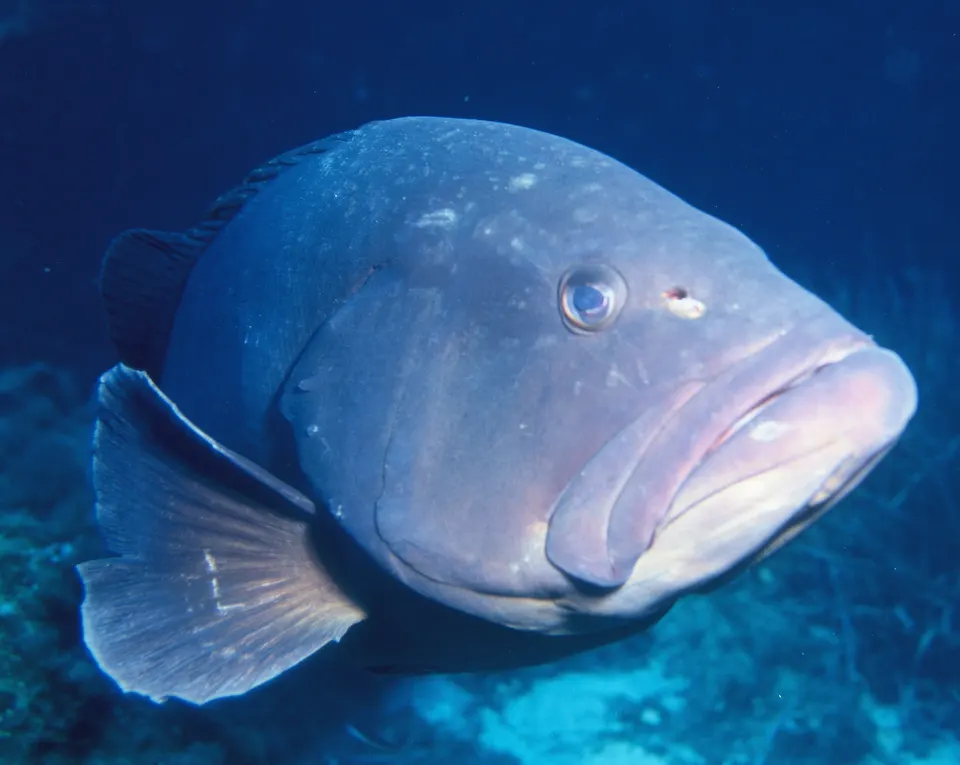
La Gabinière and its groupers
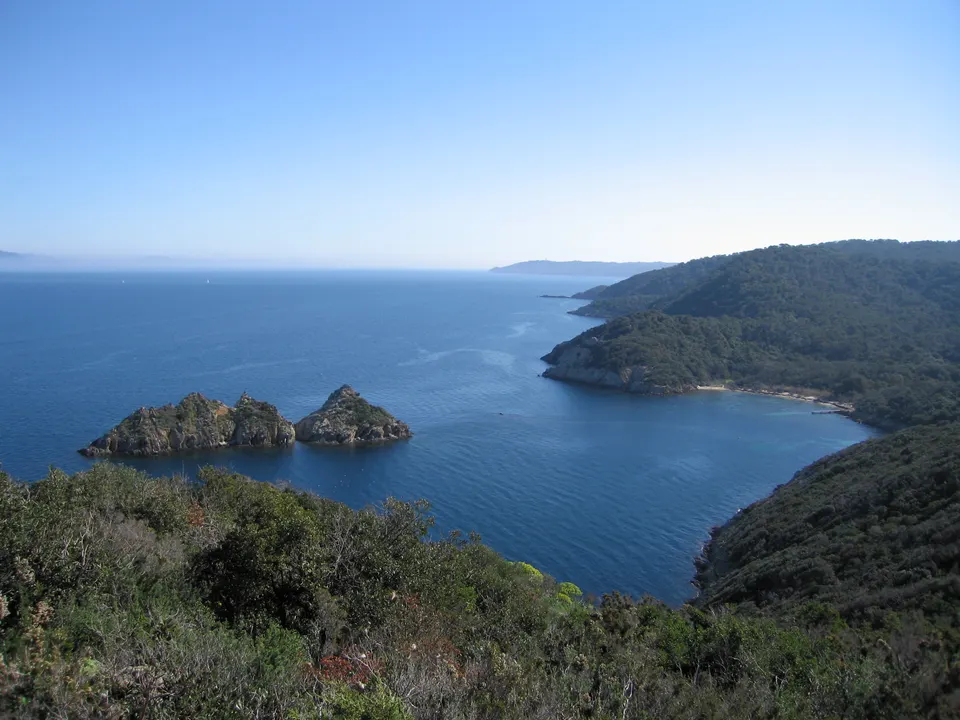
La Gabinière islet, south of Port-Cros, is the park’s best-known site. According to Wikipedia, dusky groupers, a species once threatened by spearfishing, are plentiful there: after a collapse caused by overfishing, their population has been growing and getting younger in the park’s waters since the 1980s. Commander Cousteau shot the Jojo the grouper sequence of The Silent World here.
The park’s marine life
The park’s waters are home to many Mediterranean species: bottlenose dolphin, pilot whale, mobula rays, loggerhead turtles and some barracudas, according to Wikipedia. The Posidonia seagrass meadows are protected.
Without scuba gear
The La Palud underwater trail lets you discover the shallows with fins, mask and snorkel. The general rules are in the national park.
Book a trip
Water activities around the islands
 Guided Sea Kayaking Tour of the Giens Peninsula3 - 7 hours★ 4.7 (2 reviews)from €76Check availability
- Hyères: The Discovery Morning - Guided Tour of the Coast by Catamaran3 hours★ 4.7 (65 reviews)from €70Check availability
 Hyères: Morning Discovery or Relaxing Afternoon cruise3 - 4 hours★ 4.7 (225 reviews)from €70Check availability
"From" prices checked on 9 November 2026 and may have changed.
Affiliate links: Port-Cros.com earns a commission if you book, at no extra cost to you. "Show live prices" loads the GetYourGuide module, which sets its own cookies (learn more (in French)).
Frequently asked questions
Do you need a permit to dive at Port-Cros?
Yes, for scuba diving in the marine cores of Port-Cros and Porquerolles. The permit is personal, valid for the calendar year, and obtained online on the park's CaPeL platform. It commits you to the diving regulations.
Where can you see groupers at Port-Cros?
Around La Gabinière islet, south of the island. According to Wikipedia, this is where the Grouper Study Group followed the species, and the Jojo the grouper sequence of the film The Silent World was shot at Port-Cros.
Can you freedive without a permit?
The park permit covers scuba diving. Snorkelling is practised notably on the La Palud underwater trail. Fishing and collecting rules remain strict: take nothing.
Sources
Information checked against the sources below. Ferry times and prices change: confirm before you go.
- Port-Cros National Park, scuba diving: permit, CaPeL, sticker (in French), accessed 9 November 2026
- Wikipedia, Port-Cros National Park: marine life, Gabinière, groupers (in French), accessed 9 November 2026
- Port-Cros National Park, regulations (in French), accessed 9 November 2026